
Using coned yarn for hand knitting
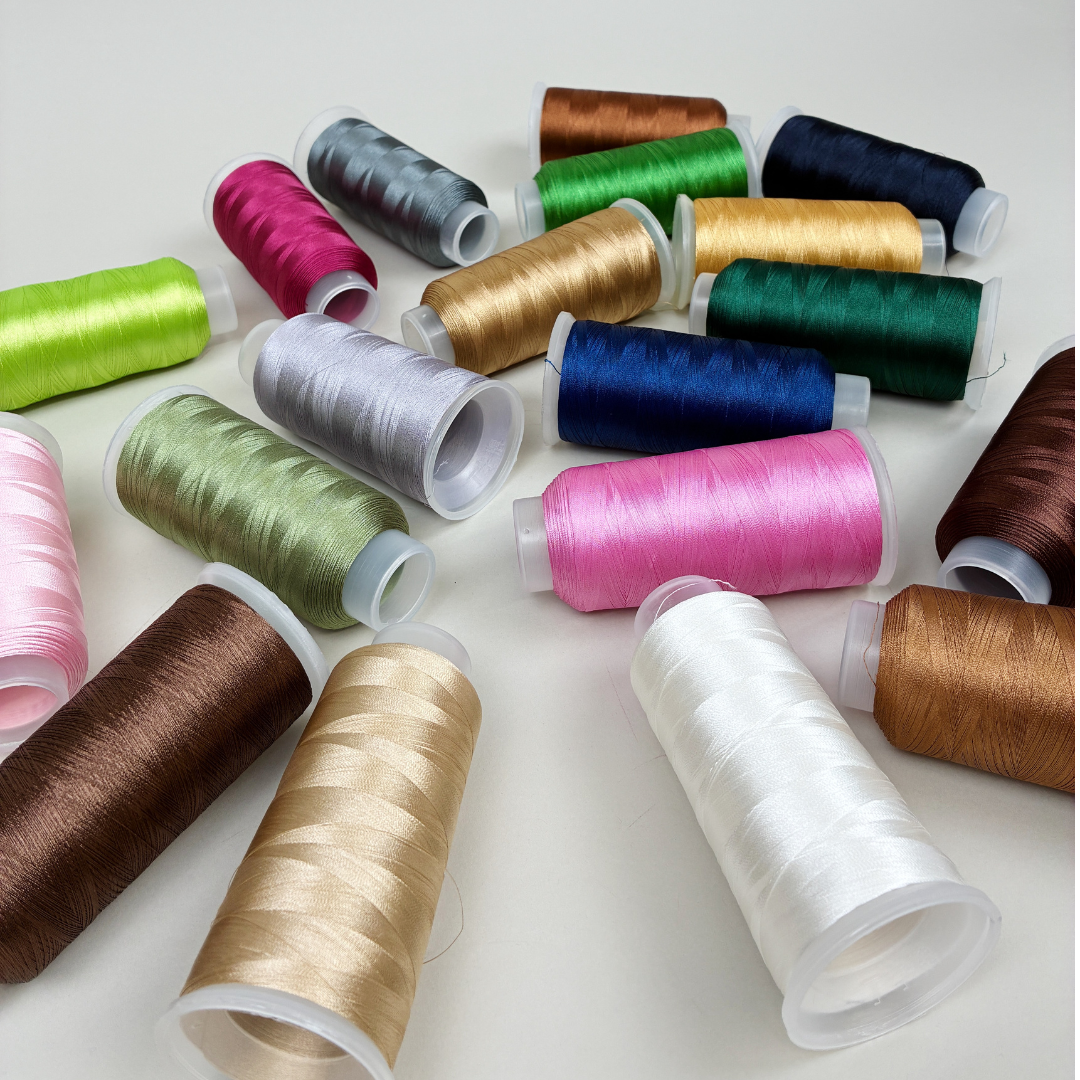
Have you ever spotted a cone of yarn at Our Social Fabric and wondered what you could possibly do with it? While coned yarn can look a little intimidating at first, it can be an affordable and versatile option for knitters, crocheters and other fibre crafters - especially when you’re looking for a larger quantity of yarn.
We’re excited to share this helpful guide from OSF volunteer Jenn, who has put together everything you need to know to get started with coned yarn. In this post, Jenn explains what coned yarn is, how it differs from the yarn you might be used to buying in skeins or balls, and how to adapt fine industrial yarns for hand knitting and crochet. She also shares a clever technique for holding multiple strands together, plus some important tips about washing your swatch and seeing how your yarn behaves after its first wash.
Thank you, Jenn, for sharing your knowledge and taking the time to create this guide! We hope it inspires you to take another look at those cones and discover the creative possibilities they hold.

Getting to grips with coned yarn
Coned yarn can seem intimidating. It is not usually seen in yarn stores catering to hand knitters, crocheters, and crafters; it can sometimes feel a bit industrial; and it is often measured using systems we aren’t familiar with. However, coned yarn is easily adapted to handcrafts, and can be an incredible way to inexpensively source large quantities of yarn!
Yarn on cones is usually intended for industrial or manufacturing uses. The cone format allows yarn to feed evenly with consistent tension into knitting machines or looms. Domestic weavers and machine knitters are usually well-acquainted with coned yarn, but it is not a common format in yarns marketed to hand knitters and crocheters. There is no real difference between a cone of yarn and yarn wound into hanks, skeins, or balls; it is only the format that the yarn is sold in.
Coned yarn is often quite thin, as a result of being intended for industrial use. If you’re not up for lace knitting or lace crochet, an easy way to adapt the thin yarns to be friendlier to hand knitting and crochet is to hold multiple strands together. There are two main ways to accomplish this:
-
Pulling from multiple yarn sources
If you have multiple cones, then doubling or tripling the yarn weight is easily accomplished by pulling from multiple cones at the same time. If you only have one cone, you can wind off and split the cone into multiple balls of yarn. -
Chaining the yarn
This is my preferred method, as it does not require a lot of prep work. Yarn can be tripled by creating very long “chains” of yarn, directly from the cone.
Step 1: Create a slipknot:

Step 2: Reach through the slipknot loop and pull the yarn through, creating a second loop:


Step 3: Keep pulling yarn through, to make the second loop really long. I usually pull an arm’s length:

Step 4: Keep creating new loops as you knit. This triples the yarn by creating a very, very elongated crochet chain:

Coned yarn is often treated with waxes or oils to facilitate the spinning process and to make it feed into industrial knitting machines and looms easier. For this reason, it is very important to WASH YOUR SWATCH! The yarn may behave very differently after washing than it did in the cone. Additionally, the yarn may have been smashed down and stretched on the cone, so it may fluff up a bit as the fibres relax during washing.
Before and after washing. In both the wool (white) and acrylic (purple) samples, unwashed is on the left and washed is on the right:

Swatches:
Acrylic yarn, tripled via chaining from single laceweight strand to fingering weight. 3.25mm needles.

Wool yarn, tripled via chaining from single laceweight strand to fingering weight. 3.25mm needles.

Acrylic yarn, tripled via chaining from single laceweight strand to fingering weight. Crocheted in two gauges (3.25mm hook and 6 mm hook).

Acrylic yarn, 9x via chaining twice. Laceweight strand was chained to become fingering weight, then the fingering weight strand was chained to become bulky weight. 9mm needles. Managing the double chained yarn was a bit tricky.



Leave a comment
This site is protected by hCaptcha and the hCaptcha Privacy Policy and Terms of Service apply.